
Introduction
In recent years, CBD oil has surged in popularity as more people explore natural options for managing anxiety, pain, sleep disorders, and inflammation. If you’re new to CBD, it’s normal to feel overwhelmed by the variety of products, terminology, and claims out there. Understanding what CBD is, how it works, and how to choose the right product is essential before getting started.
This guide will break down everything a beginner needs to know before using CBD oil—no jargon, no hype—just clear, helpful information.
What Is CBD Oil?
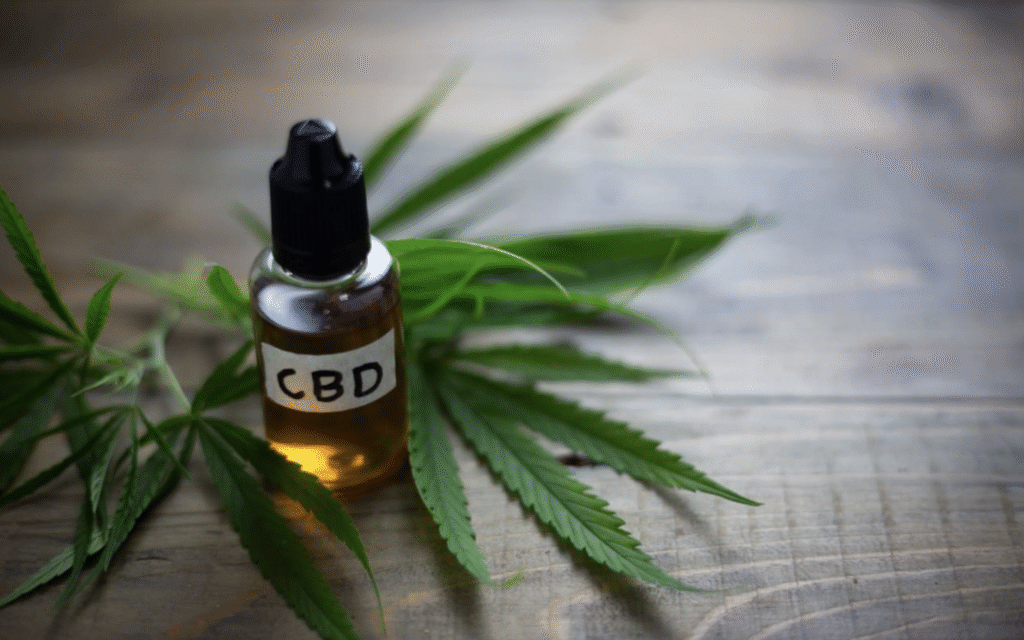
CBD (short for cannabidiol) is a compound found in the cannabis plant. Unlike THC (tetrahydrocannabinol), CBD is non-psychoactive, meaning it won’t make you feel “high.” CBD oil is typically extracted from hemp, a variety of cannabis that contains very low levels of THC (less than 0.3%).
CBD oil is often used for its potential therapeutic benefits, including relief from anxiety, chronic pain, inflammation, and insomnia. While research is still ongoing, many users report significant improvements in their symptoms.
How Does CBD Work in the Body?
CBD interacts with the endocannabinoid system (ECS)—a complex cell-signaling system in the body responsible for maintaining balance (homeostasis). The ECS regulates functions like mood, sleep, appetite, immune response, and pain perception.
Rather than binding directly to cannabinoid receptors like THC, CBD influences the ECS more subtly, helping the body regulate these systems more effectively.
Potential Benefits of CBD Oil
While the effects of CBD can differ from person to person, both scientific research and user testimonials point to a wide range of potential health benefits. Here’s a closer look at how CBD oil may support your wellness:
- Skin Health: Thanks to its anti-inflammatory and antioxidant properties, CBD oil may benefit the skin by helping reduce redness, irritation, and conditions like acne or eczema. When applied topically, it can help balance oil production and soothe sensitive skin.
- Anxiety and Stress Relief: Many users report feeling calmer and more centered after using CBD. It’s believed to interact with serotonin receptors in the brain, which play a key role in mood regulation. This makes CBD a popular natural alternative for those managing anxiety, social stress, or general nervousness.
- Improved Sleep Quality: CBD may help promote better sleep by calming the nervous system and reducing issues like anxiety or discomfort that can interfere with rest. Rather than acting as a sedative, CBD works to regulate your sleep-wake cycle, making it easier to fall asleep and stay asleep naturally.
- Pain and Inflammation Management: Studies suggest that CBD may reduce inflammation by influencing immune system responses and interacting with neurotransmitters involved in pain signaling. This makes it potentially useful for those dealing with chronic pain, arthritis, sore muscles, or injury recovery.
- Support for Neurological Conditions: CBD has shown promise in the treatment of certain neurological disorders. In fact, the FDA has approved a CBD-based medication (Epidiolex) for epilepsy. Ongoing research is exploring how CBD might also support brain health and protect against neurodegenerative conditions like Parkinson’s and Alzheimer’s.
It’s important to note that CBD is not a cure-all, and its effects can depend on the dose, quality, and your body’s unique chemistry.
Is CBD Oil Legal?
In many countries, hemp-derived CBD oil with less than 0.3% THC is legal, including in most U.S. states. However, the laws can vary depending on your location.
- In the U.S.: Legal federally, but some states have restrictions.
- In the UK & EU: Legal if it contains less than 0.2% THC.
- In other regions: Always check your local laws before purchasing or using CBD.
Types of CBD Oil: What’s the Difference?
Before buying CBD oil, it’s important to understand the three main types:
1. Full-Spectrum CBD
Contains CBD along with other cannabinoids (including trace THC), terpenes, and flavonoids. May offer enhanced benefits through the entourage effect.
2. Broad-Spectrum CBD
Similar to full-spectrum but with all THC removed. Still includes other cannabinoids and terpenes.
3. CBD Isolate
Pure CBD, with no other cannabinoids or plant compounds. Ideal for those who want to avoid THC completely.
Tip for beginners: Start with broad-spectrum or CBD isolate if you want to avoid THC altogether, especially for drug testing purposes.
How to Choose a High-Quality CBD Oil
Not all CBD products are created equal. Here’s what to look for:
- Third-Party Lab Testing: Always choose brands that offer lab results verifying CBD content and purity.
- Clear Labeling: Check for the type of CBD (full-spectrum, etc.), dosage, and ingredients.
- Organic and Clean Sourcing: Opt for products made from organically grown hemp without harmful chemicals or pesticides.
- Reputable Brands: Read customer reviews and avoid suspiciously cheap products or those making unrealistic health claims.
How to Use CBD Oil
CBD oil is most commonly taken sublingually—a few drops under the tongue, held for 30–60 seconds before swallowing. This allows it to absorb quickly into the bloodstream.
Other common forms include:
- Capsules: Easy to dose and take, though slower to take effect.
- Topicals: Applied directly to the skin for localized relief (great for muscle aches or skin issues).
- Edibles (like gummies): Tasty and convenient, but slower to act due to digestion.
Finding the Right Dosage
Determining the right CBD dosage can be tricky because there’s no universal amount that works for everyone. The ideal dose varies based on factors such as your weight, metabolism, body chemistry, and the condition you’re trying to address—whether it’s anxiety, chronic pain, or sleep issues. Since CBD affects everyone differently, the best approach is to start low and go slow. Beginners are generally advised to begin with a small dose, typically around 5 to 10 milligrams per day. It’s important to maintain this dose for several days while monitoring how your body responds. If you don’t notice any significant effects, you can gradually increase the dosage in small increments until you find a level that provides relief without causing any unwanted side effects.
Consistency plays a crucial role in how effective CBD will be. Rather than acting like an immediate painkiller or sedative, CBD builds up in your system over time and supports balance through your endocannabinoid system. This means you’re more likely to see results when you take it regularly, rather than sporadically. Keeping track of your experience in a journal—logging your dosage, time of use, and any noticeable effects—can help you fine-tune your routine and find what works best. If you’re dealing with a medical condition or taking other medications, it’s wise to speak with a healthcare provider before starting CBD to ensure it’s safe and appropriate for your individual needs.
Also Read: CBD Oil for Mental Health: A Natural Path to Emotional Wellness
Are There Side Effects?
CBD is generally well-tolerated, but some people may experience mild side effects, including:
- Dry mouth
- Drowsiness
- Changes in appetite
- Digestive upset
Talk to a doctor before starting CBD if you’re on medication or have a medical condition. CBD can interact with certain drugs, especially blood thinners and antidepressants.
CBD Oil Safety Tips for Beginners
To stay safe and get the best experience:
- Buy from reputable sources only.
- Check third-party lab reports for quality and potency.
- Avoid products with artificial additives or poor transparency.
- Be patient—CBD’s effects can be subtle and take time to build.
- Listen to your body and adjust the dose if needed.
Myths and Misconceptions About CBD
There are several common myths surrounding CBD, and clearing up these misunderstandings is essential for anyone considering it as part of their wellness routine. One of the most widespread myths is the belief that CBD can get you high. This is false—CBD is non-psychoactive, which means it doesn’t produce the euphoric or intoxicating effects associated with THC, the primary psychoactive compound found in cannabis. While both compounds come from the cannabis plant, their effects on the body are very different. CBD interacts with different receptors in the endocannabinoid system and is often used to promote relaxation, reduce inflammation, and support mood—without altering your mental state.
Another misconception is that taking more CBD will automatically lead to better or faster results. In reality, CBD is not a “more is better” kind of supplement. Starting with a low dose and gradually increasing only as needed is the most effective approach. Some people find relief with very small amounts, while others may require more. However, taking a large dose right away can not only be wasteful but might also lead to mild side effects like drowsiness or digestive discomfort. Finding the right dosage is a personal process that depends on your body and the issue you’re targeting.
Lastly, not all CBD products are created equal. It’s a mistake to assume that every bottle on the shelf is of the same quality. The source of the hemp, the method used to extract the CBD, and the presence of third-party lab testing all make a huge difference in how effective and safe the product is. Reputable brands are transparent about where their hemp is grown, how their CBD is extracted, and provide certificates of analysis to prove purity and potency. When choosing a CBD product, it’s important to do your research and select one that meets high standards for quality and safety.
Conclusion
CBD oil can be a powerful addition to your wellness toolkit, offering potential relief for stress, pain, sleep troubles, and more—without the intoxicating effects of THC. For beginners, the key is to start small, choose high-quality products, and give your body time to adjust.
With the right approach, CBD oil may offer natural support to help you feel more balanced, focused, and at ease in your daily life.