
Introduction
In recent years, the conversation around mental health has become more open and widespread—and with good reason. From anxiety and depression to stress and sleep disorders, millions of people struggle daily with their emotional well-being. While therapy, lifestyle changes, and medications remain the foundation of treatment, many are exploring natural supplements to support their journey. One such remedy gaining serious attention is CBD oil.
Derived from the hemp plant, CBD (cannabidiol) is a non-intoxicating compound that has shown promising potential in supporting mental health. With growing research and countless success stories, CBD oil is being used as a complementary aid for issues like anxiety, depression, PTSD, and more. In this blog, we’ll dive into how CBD works, the benefits it may offer for mental wellness, how to use it safely, and what the science says so far.
What is CBD and How Does It Work?
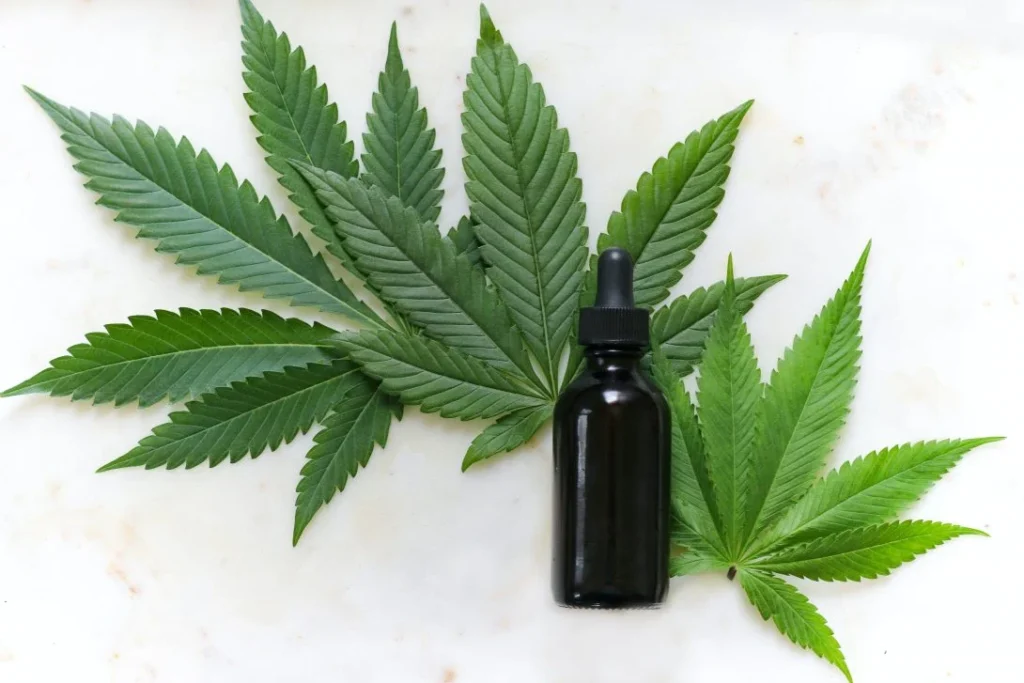
CBD, short for cannabidiol, is one of the many compounds found in the Cannabis sativa plant. Unlike THC (tetrahydrocannabinol), CBD does not produce a “high” or mind-altering effects. Instead, it interacts with the body’s endocannabinoid system (ECS)—a complex cell-signaling system responsible for regulating mood, stress, appetite, sleep, and more.
CBD helps promote balance within the ECS by influencing receptors like CB1 and CB2, as well as serotonin and dopamine pathways that play a direct role in mental health. By doing so, it may help regulate mood, reduce stress, and support a sense of calm and well-being.
CBD Oil for Anxiety
Anxiety is one of the most common mental health challenges, affecting people of all ages. While medications and therapy work well for many, others seek natural alternatives with fewer side effects. This is where CBD shines.
CBD may help reduce anxiety by influencing serotonin levels, much like traditional antidepressants but in a more natural way. It also affects the brain’s response to stress signals, promoting a sense of calm without sedation.
Many users report feeling more relaxed, clear-headed, and focused after using CBD oil, especially during high-stress situations like public speaking, social events, or work pressure.
Studies Support This:
A 2019 study published in The Permanente Journal found that CBD significantly reduced anxiety in 79% of patients within the first month—with minimal side effects.
CBD for Depression
Depression often stems from an imbalance in brain chemistry, especially involving neurotransmitters like serotonin. CBD may help modulate these chemicals, offering a potential mood-boosting effect.
While it’s not a substitute for therapy or antidepressants, CBD oil may complement traditional treatments by improving emotional stability, reducing irritability, and enhancing overall mental clarity.
Many users describe a “lightening” of mental fog and a renewed sense of motivation after consistent CBD use.
Scientific Insight:
Animal studies have shown that CBD has antidepressant-like effects, and while human studies are still developing, the results are promising for future applications.
CBD Oil for Better Sleep
Good sleep is the foundation of good mental health. If you’re not sleeping well, stress, anxiety, and depression can quickly worsen. CBD is often praised for its sleep-enhancing effects, especially among people with insomnia, anxiety, or racing thoughts at night.
CBD works by calming the nervous system, lowering cortisol (the stress hormone), and promoting a more restful state.
Users often take a few drops of CBD oil 30–60 minutes before bedtime to help them fall asleep faster and wake up feeling more refreshed.
CBD for PTSD and Trauma
Post-Traumatic Stress Disorder (PTSD) is a severe anxiety condition triggered by traumatic events. Symptoms include nightmares, flashbacks, insomnia, and mood instability. While therapy remains essential, CBD oil is being studied as a supportive tool for managing symptoms.
CBD may help by reducing hyperarousal, calming the fight-or-flight response, and improving emotional regulation.
For some individuals, CBD can reduce the intensity of trauma-related memories and help bring back a sense of emotional balance.
Ongoing Research:
Some studies suggest that CBD may help with fear extinction—the brain’s ability to “let go” of traumatic memories. Clinical trials are ongoing.
How CBD Supports Brain Health
Aside from addressing specific conditions, CBD also offers neuroprotective benefits. It has antioxidant and anti-inflammatory properties that may protect the brain from damage and aging. This could be especially useful in reducing the risk of neurodegenerative diseases like Alzheimer’s, Parkinson’s, and even cognitive decline due to stress.
A healthy brain is crucial for mental well-being. By promoting overall brain function, CBD may support better memory, focus, and mood.
How to Use CBD Oil for Mental Health
If you’re considering CBD to support your mental well-being, here are some tips:
1. Start Low and Go Slow
Begin with a low dose (10–20 mg per day) and observe how your body responds. Gradually increase if needed.
2. Choose Full-Spectrum or Broad-Spectrum
These contain additional beneficial cannabinoids and terpenes that enhance the effects of CBD (the “entourage effect”).
3. Use Consistently
CBD works best when used daily, like a supplement. Effects may build up over time, so consistency is key.
4. Consider Your Preferred Form
- Tinctures (sublingual) for fast absorption
- Capsules for ease and convenience
- Gummies or edibles for taste
- Topicals if dealing with physical tension related to anxiety
5. Always Buy Quality
Choose reputable brands that offer third-party lab testing to ensure purity and potency. Avoid products with additives or low transparency.
Also Read: How CBD Oil Supports Healthy Skin and Coat in Dogs
Are There Any Side Effects?
CBD is generally safe, but like any supplement, it can cause mild side effects in some individuals:
- Drowsiness or fatigue
- Dry mouth
- Changes in appetite
- Interactions with medications (consult your doctor)
Always speak with a healthcare professional before starting CBD—especially if you’re taking antidepressants or anti-anxiety meds.
Conclusion
CBD oil isn’t a miracle cure, but it’s a powerful tool in a more holistic approach to mental wellness. Its calming effects, combined with its potential to balance mood and support better sleep, make it a valuable option for many people dealing with stress, anxiety, or emotional imbalance.
If you’re looking for a natural, non-addictive way to support your mental health, CBD oil may be worth exploring. Just remember: mental health is deeply personal, and what works for one person might not work the same for another. The key is to listen to your body, stay consistent, and combine it with other self-care practices like therapy, exercise, and mindfulness.
At the end of the day, taking care of your mental health is one of the best investments you can make in yourself—and CBD might just be a helpful partner on that journey.