
Introduction
CBD oil has gained widespread attention for its potential role in supporting wellness and balance. While most discussions focus on cannabidiol (CBD) itself, another group of natural compounds plays a major role in shaping the overall experience of CBD products. These compounds are known as terpenes.
Terpenes are aromatic molecules naturally found in plants, including cannabis and hemp. They are responsible for the distinct scents and flavors found in many botanical species. Beyond their aroma, terpenes may also influence how CBD works in the body. Understanding how terpenes interact with CBD oil can help consumers make more informed choices about the products they use.
What Are Terpenes?
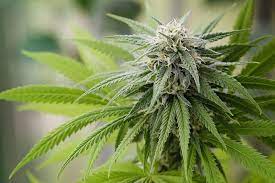
Terpenes are naturally occurring compounds produced by many plants, fruits, herbs, and flowers. They are responsible for the characteristic fragrances that people associate with different plants. For example, the citrus scent of oranges, the fresh smell of pine trees, and the floral aroma of lavender all come from specific terpenes.
In hemp plants, which are used to produce CBD oil, terpenes contribute to the plant’s unique aroma and flavor profile. Each hemp variety contains a different combination of terpenes, which means CBD oils can vary significantly in scent, taste, and potential effects.
Terpenes are produced in the same glandular structures of the hemp plant that also create cannabinoids like CBD. Because of this, many full-spectrum CBD products contain both cannabinoids and terpenes extracted directly from the plant.
The Connection Between Terpenes and CBD
CBD oil contains cannabinoids, but its overall impact may be influenced by other compounds present in the hemp plant. Terpenes are among the most important of these compounds.
Researchers and cannabis scientists often refer to the concept known as the Entourage Effect. This concept suggests that cannabinoids and terpenes may work together to create a more balanced and complex effect than any single compound could produce on its own.
In other words, CBD may interact with terpenes to enhance or modify how the body responds. This interaction may influence factors such as mood, relaxation, focus, and overall sensory experience.
How Terpenes Interact with the Body
The body contains a complex regulatory network known as the Endocannabinoid System. This system plays a role in maintaining balance in various bodily functions, including mood, sleep, appetite, and immune response.
CBD interacts with this system indirectly by influencing receptors and signaling pathways. Terpenes, meanwhile, may interact with other biological pathways in the body, including neurotransmitter activity and receptor responses.
Because terpenes and cannabinoids may affect different biological mechanisms, their combined presence can contribute to the overall experience of CBD oil. This combination is one reason why full-spectrum or broad-spectrum CBD products often receive attention from consumers interested in plant-based wellness.
Common Terpenes Found in CBD Oil
Many different terpenes occur naturally in hemp plants. Each terpene has its own scent profile and may contribute different characteristics to CBD oil.
1. Myrcene
Myrcene is one of the most common terpenes found in hemp. It is also present in plants such as mango, lemongrass, and thyme.
Myrcene typically has an earthy or musky aroma. It is often associated with calming and relaxing characteristics. Some consumers prefer CBD oils containing myrcene when they are seeking relaxation or evening use.
2. Limonene
Limonene is widely known for its bright citrus aroma. It is found in the rinds of citrus fruits such as lemons and oranges.
This terpene is commonly associated with uplifting and refreshing sensations. In CBD oil, limonene may contribute to a lighter, more energizing experience for some users.
3. Pinene
Pinene is responsible for the fresh scent commonly associated with pine trees and certain herbs.
Pinene is often linked with alertness and mental clarity. Its crisp aroma also contributes to the fresh scent found in certain hemp-derived CBD oils.
4. Linalool
Linalool is a terpene commonly found in lavender and other aromatic flowers.
This terpene is known for its soft floral fragrance and is often associated with relaxation and calming environments. CBD oils that contain linalool may offer a more soothing aroma and experience.
5. Caryophyllene
Caryophyllene is a unique terpene found in black pepper, cloves, and some hemp varieties.
It has a slightly spicy, peppery aroma and is notable because it may interact with certain cannabinoid receptors in the body. This interaction makes it particularly interesting in research related to cannabis compounds.
How Terpenes Affect the Flavor and Aroma of CBD Oil
Terpenes are largely responsible for the sensory characteristics of CBD oil. The flavor and scent of a product often reflect the specific terpene profile of the hemp plant used during extraction.
Some CBD oils may have earthy, herbal flavors, while others may have citrus or floral notes. These differences are not simply cosmetic. They indicate variations in the natural terpene composition of the product.
Consumers who enjoy more natural plant-based aromas may prefer CBD oils that retain their original terpene profiles rather than highly processed products that remove these compounds.
Why Full-Spectrum CBD Oils Contain Terpenes
CBD oils are typically available in three main forms: full-spectrum, broad-spectrum, and isolate.
Full-spectrum CBD oils retain the widest range of natural compounds from the hemp plant, including cannabinoids, terpenes, and other plant molecules. Because of this, these products often maintain the plant’s original terpene profile.
Broad-spectrum products also contain multiple plant compounds but usually remove detectable levels of THC. CBD isolate products, in contrast, contain only pure CBD without additional cannabinoids or terpenes.
Many consumers choose full-spectrum or broad-spectrum options specifically because they include terpenes and other natural components of the hemp plant.
Choosing CBD Oil Based on Terpene Profiles
Some CBD brands provide detailed information about the terpene profile of their products. This information may appear on product labels or laboratory reports.
Learning about terpene content can help consumers choose CBD oils that align with their preferences. For example, someone interested in relaxation may prefer oils containing myrcene or linalool, while someone looking for a refreshing daytime option may prefer products rich in limonene or pinene.
Third-party lab testing can also confirm the presence and concentration of these compounds, helping ensure product transparency and quality.
The Future of Terpene Research
Scientific research on terpenes and cannabinoids continues to evolve. As interest in plant-based wellness grows, researchers are exploring how these compounds interact and influence biological systems.
Future studies may provide deeper insights into how terpene combinations affect the overall properties of CBD products. This research may also lead to more targeted formulations designed to support specific wellness goals.
As knowledge expands, terpene awareness is likely to become an increasingly important factor in how CBD products are developed and chosen.
Also Read: Is CBD Oil Safe for Large Dog Breeds?
Conclusion
Terpenes are an essential but often overlooked component of CBD oil. These natural compounds contribute not only to the aroma and flavor of hemp-derived products but also to their potential influence on the overall experience of CBD.
By interacting with cannabinoids and other biological systems in the body, terpenes may help shape the way CBD oil feels and functions. This interaction is often described through the concept of the entourage effect, where plant compounds work together to create a more complex and balanced outcome.
Understanding terpene profiles can help consumers make more informed decisions when choosing CBD oil. As research continues to explore the relationship between cannabinoids and terpenes, these aromatic plant compounds are likely to remain an important part of the conversation around hemp-based wellness.