
CBD has grown in popularity as a natural remedy for various health issues, but its production process has significant environmental implications. As demand for CBD products increases, it’s essential to examine how its cultivation, extraction, and manufacturing affect the planet. This blog explores the environmental impact of CBD production and highlights sustainable practices that can help minimize its ecological footprint.
The Environmental Footprint of CBD Production
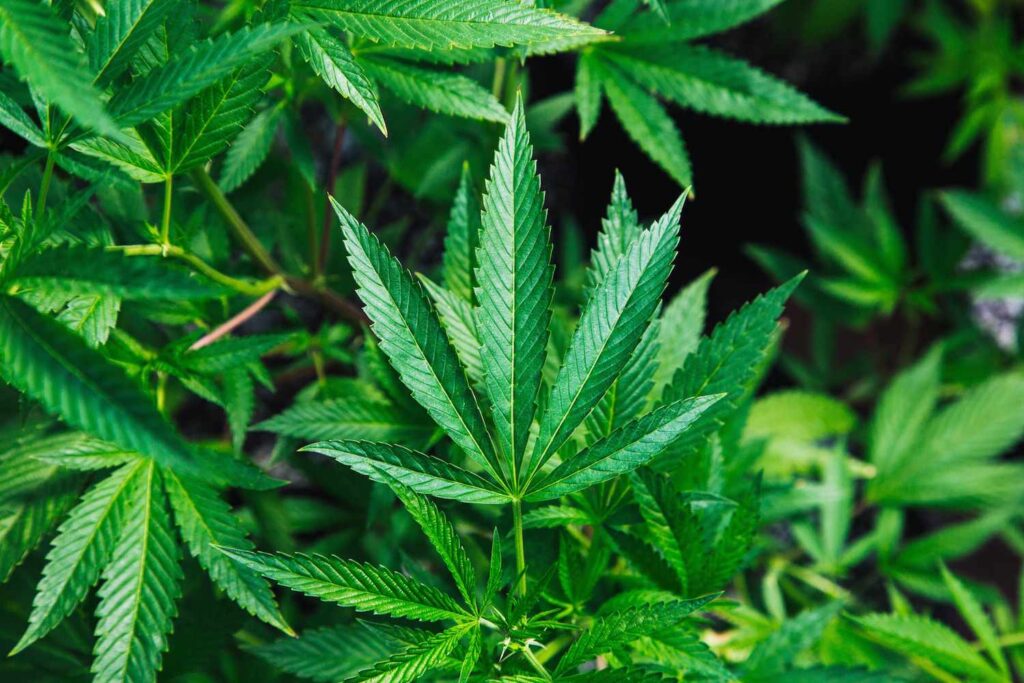
CBD is derived from the hemp plant, a versatile crop known for its ability to grow in diverse conditions. However, like any agricultural product, the cultivation and processing of hemp for CBD have environmental consequences. Key factors contributing to the environmental impact include water usage, soil health, pesticide application, energy consumption, and waste generation.
Water Usage in Hemp Cultivation
Hemp is often lauded for requiring less water compared to other crops, but large-scale CBD production can strain local water resources, especially in arid regions. Irrigation systems for hemp farming can consume significant amounts of water, impacting nearby ecosystems. Sustainable practices, such as rainwater harvesting and drip irrigation, can help reduce water consumption and promote efficient water use.
Soil Health and Hemp Farming
Hemp is a phytoremediator, meaning it can absorb toxins and heavy metals from the soil. While this property is beneficial for cleaning contaminated land, it also raises concerns about soil depletion and the quality of CBD products. Overcultivation can lead to nutrient depletion, making it vital for farmers to practice crop rotation and use organic fertilizers to maintain soil health.
Pesticides and Chemical Use
The use of pesticides and chemical fertilizers in hemp farming can harm biodiversity and contaminate water supplies. Although hemp is naturally pest-resistant, some large-scale operations still rely on chemicals to maximize yield. Adopting organic farming methods and integrated pest management systems can reduce the need for harmful substances, ensuring safer practices for the environment and human health.
Energy Consumption in CBD Extraction
The extraction process used to derive CBD from hemp requires significant energy. Methods like CO2 extraction are energy-intensive, involving high-pressure and temperature systems. This energy consumption contributes to greenhouse gas emissions, particularly if fossil fuels power the operations. Transitioning to renewable energy sources, such as solar or wind power, can reduce the carbon footprint of CBD extraction facilities.
Waste Generation and Byproducts
CBD production generates a considerable amount of waste, including plant biomass and chemical solvents. Improper disposal of these byproducts can harm the environment. Innovative approaches, such as repurposing hemp biomass for biofuel or compost, can minimize waste and create additional value from the production process. Recycling and safe disposal of chemical solvents are also critical for reducing environmental harm.
The Role of Packaging in CBD Products
CBD products often come in single-use plastic packaging, contributing to the global plastic pollution crisis. Sustainable packaging alternatives, such as biodegradable materials, recycled paper, and glass containers, can significantly reduce the environmental impact of CBD products. Encouraging consumers to recycle packaging materials and supporting brands that prioritize eco-friendly solutions are essential steps in promoting sustainability.
Transportation and Carbon Footprint
The global distribution of CBD products involves transportation across long distances, contributing to carbon emissions. Shipping CBD from farms to processing facilities, and then to consumers, adds to its overall environmental impact. Supporting local CBD producers and reducing unnecessary transportation can help lower the carbon footprint associated with the industry.
Sustainable Practices in CBD Production
Several sustainable practices can help mitigate the environmental impact of CBD production. These practices not only benefit the planet but also support the long-term viability of the CBD industry.
- Organic Farming
Adopting organic farming methods eliminates the use of synthetic pesticides and fertilizers, preserving soil health and protecting biodiversity. Organic certification also assures consumers that the CBD products they purchase are environmentally friendly. - Water Management
Efficient irrigation systems, rainwater harvesting, and careful monitoring of water use can reduce the water footprint of hemp cultivation. Farmers can also select hemp varieties that thrive in specific climates, minimizing the need for excessive irrigation. - Renewable Energy Integration
Using renewable energy sources to power CBD extraction facilities and processing plants can significantly reduce greenhouse gas emissions. Solar panels, wind turbines, and hydroelectric power are excellent options for sustainable energy use. - Waste Reduction and Recycling
Innovative waste management strategies, such as repurposing plant biomass and recycling packaging materials, can minimize waste generation. Composting hemp byproducts or using them for animal feed are practical ways to make the most of the plant. - Local Sourcing and Distribution
Encouraging local production and consumption of CBD reduces transportation emissions and supports regional economies. Buying from local producers also fosters transparency and trust between consumers and manufacturers. - Certification and Transparency
Certifications like USDA Organic or Fair Trade indicate that CBD products are produced with sustainable practices. Transparent labeling helps consumers make informed choices about the environmental impact of the products they purchase.
Consumer Responsibility in Sustainability
Consumers play a vital role in promoting sustainable CBD production. By choosing products from environmentally conscious brands, supporting local producers, and recycling packaging materials, consumers can help drive demand for eco-friendly practices in the CBD industry. Educating others about the importance of sustainability in CBD production further amplifies the impact of individual actions.
The Future of Sustainable CBD Production
As the CBD industry continues to grow, the need for sustainable practices becomes increasingly urgent. Advances in technology and innovation offer promising solutions to reduce the environmental impact of CBD production. For example, precision agriculture tools can optimize resource use, while advancements in extraction methods can make the process more energy-efficient. Collaboration between governments, industry leaders, and consumers is essential to establish sustainable standards and ensure the long-term success of the CBD market.
Read Also : CBD Oil for Senior Citizens: Benefits and Considerations
Conclusion
The environmental impact of CBD production highlights the importance of adopting sustainable practices across the industry. From farming and extraction to packaging and distribution, every stage of CBD production offers opportunities to reduce its ecological footprint. By supporting sustainable initiatives, embracing eco-friendly technologies, and fostering consumer awareness, the CBD industry can evolve into a model of environmental responsibility. Sustainability is not just an ethical choice—it is a necessity for the future of the planet and the industry itself.