
Hormonal imbalances can wreak havoc on the body, affecting everything from mood and energy levels to physical comfort and overall well-being. For women, Premenstrual Syndrome (PMS) and menopause are two common life stages where hormones can cause significant discomfort. From cramps, mood swings, and bloating during PMS to hot flashes, night sweats, and sleep disturbances during menopause, many women look for natural ways to find relief from these symptoms.
Recently, CBD oil has emerged as a popular alternative for managing a variety of health issues, including hormonal imbalances. But can CBD oil really help with PMS and menopause? In this blog post, we’ll explore how CBD interacts with the body’s endocrine system, its potential role in hormonal balance, and how it may provide relief for women experiencing PMS or menopause.
What Is CBD Oil?
CBD, or cannabidiol, is a naturally occurring compound found in the hemp plant. Unlike its more famous cousin THC (tetrahydrocannabinol), CBD is non-psychoactive, meaning it won’t get you high. Instead, CBD is known for its potential therapeutic benefits, including reducing inflammation, alleviating pain, and promoting relaxation.
CBD oil is made by extracting CBD from the hemp plant and diluting it with a carrier oil, such as coconut or hemp seed oil. It’s available in various forms, including tinctures, capsules, topicals, and edibles.
The Role of Hormones in Women’s Health
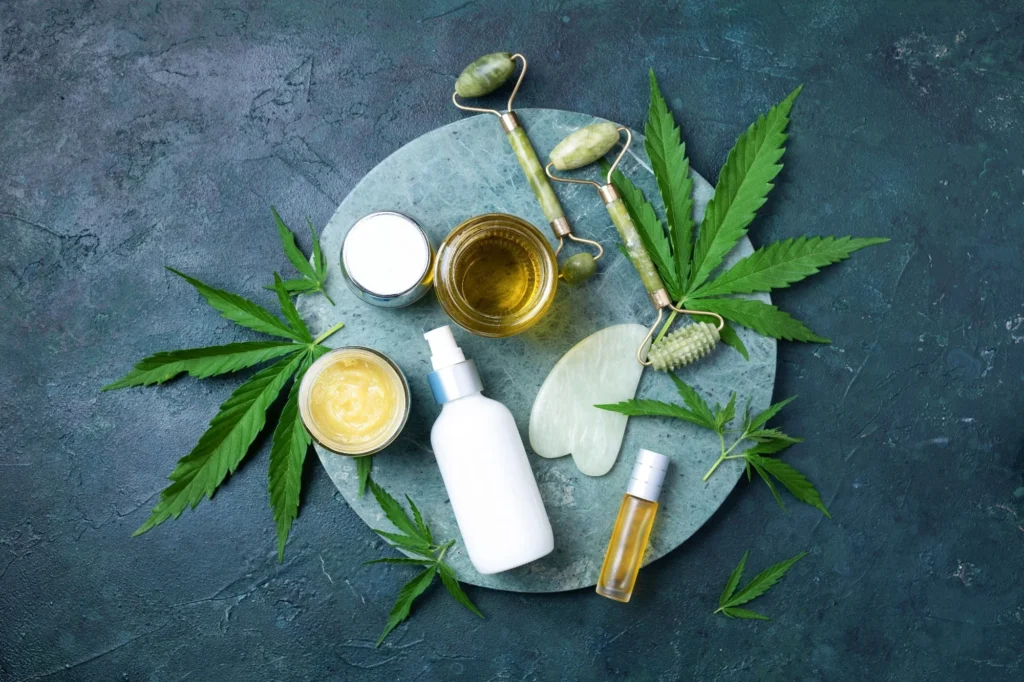
Hormones are chemical messengers that regulate many of the body’s key functions, including metabolism, mood, sleep, and reproductive health. Hormonal imbalances can occur for various reasons, including stress, diet, illness, and aging. For women, PMS and menopause are two significant life stages where hormone fluctuations are most pronounced.
- Premenstrual Syndrome (PMS):
PMS occurs in the luteal phase of the menstrual cycle, typically in the days leading up to a woman’s period. It’s characterized by symptoms such as mood swings, irritability, bloating, cramps, fatigue, and breast tenderness. These symptoms result from the drop in progesterone and estrogen levels after ovulation, which affects the body’s balance of neurotransmitters, particularly serotonin. - Menopause:
Menopause marks the end of a woman’s reproductive years, typically occurring between the ages of 45 and 55. The transition into menopause can take several years and is marked by a decline in estrogen and progesterone levels. Common symptoms of menopause include hot flashes, night sweats, mood changes, insomnia, and vaginal dryness.
Both PMS and menopause are natural processes, but the symptoms they bring can significantly impact a woman’s quality of life. While hormone replacement therapy (HRT) and other medical treatments are available, many women seek natural alternatives, such as CBD oil, to manage their symptoms.
How CBD Oil May Help Balance Hormones
CBD interacts with the body’s endocannabinoid system (ECS), a complex network of receptors and chemicals that helps regulate various physiological processes, including mood, pain, and hormone levels. The ECS plays a crucial role in maintaining homeostasis—the body’s internal balance.
The ECS consists of two main types of receptors:
- CB1 receptors, primarily found in the brain and central nervous system.
- CB2 receptors, primarily found in the immune system and peripheral organs.
When CBD is consumed, it indirectly influences these receptors, promoting balance in the body’s systems. Here’s how this interaction may help with PMS and menopause:
1. Regulating Mood and Reducing Anxiety
Both PMS and menopause are often accompanied by mood swings, anxiety, and irritability due to hormonal fluctuations. The drop in estrogen levels, in particular, affects the production of serotonin, a neurotransmitter that plays a key role in regulating mood. Low serotonin levels are linked to feelings of depression and anxiety.
CBD may help by interacting with serotonin receptors in the brain, promoting feelings of well-being and relaxation. A study published in the journal Frontiers in Immunology found that CBD has anxiolytic (anxiety-reducing) properties, making it a promising option for women who experience mood disturbances during PMS or menopause.
2. Pain Relief for Cramps and Aches
One of the most common symptoms of PMS is cramping, caused by the contraction of the uterine muscles as they shed the uterine lining. Menopause can also bring on joint pain and aches due to declining estrogen levels, which affect bone density and joint health.
CBD is well-known for its anti-inflammatory and pain-relieving properties. It interacts with the TRPV1 receptors, which are involved in regulating pain and inflammation in the body. By influencing these receptors, CBD may help reduce the severity of menstrual cramps and other types of discomfort associated with hormonal changes.
3. Improving Sleep Quality
Sleep disturbances, such as insomnia and night sweats, are common during menopause and can also occur in the days leading up to menstruation. Estrogen plays a role in regulating the sleep-wake cycle, and a decline in estrogen levels can lead to disrupted sleep patterns.
CBD has been found to improve sleep quality by reducing anxiety and promoting relaxation. A study published in the journal Permanente Journal found that CBD may be effective in improving sleep in individuals with anxiety-related disorders. By reducing cortisol levels (the stress hormone) and promoting a sense of calm, CBD may help women get more restful sleep during PMS and menopause.
4. Reducing Hot Flashes and Night Sweats
For many women going through menopause, hot flashes and night sweats are among the most bothersome symptoms. These sudden surges of heat and sweating occur due to the body’s thermoregulatory system becoming imbalanced as estrogen levels decline.
While research on CBD’s direct effects on hot flashes is limited, its ability to reduce anxiety and promote relaxation may indirectly help manage these symptoms. By calming the nervous system and reducing stress levels, CBD may help lessen the severity of hot flashes and night sweats.
5. Supporting Hormonal Balance
CBD doesn’t directly regulate hormones, but it does support the endocrine system, which produces and regulates hormones in the body. By promoting homeostasis, CBD helps the body maintain balance, potentially reducing the impact of hormone fluctuations. Additionally, CBD’s anti-inflammatory and antioxidant properties may support overall hormonal health by reducing oxidative stress, which can contribute to hormonal imbalances.
Using CBD Oil for PMS and Menopause
If you’re considering using CBD oil to manage PMS or menopause symptoms, here are a few tips to get started:
1. Choose the Right CBD Product
CBD is available in various forms, including tinctures, capsules, edibles, and topicals. For PMS and menopause, tinctures and capsules are often the preferred choice, as they allow for systemic effects and are easy to dose.
- Tinctures: CBD tinctures are liquid extracts taken under the tongue (sublingually) for fast absorption. They allow for precise dosing and quick relief.
- Capsules: CBD capsules are swallowed and provide a longer-lasting effect but may take longer to kick in.
- Topicals: For localized pain, such as menstrual cramps or joint aches, CBD topicals like balms or creams can be applied directly to the skin.
2. Start with a Low Dose and Gradually Increase
If you’re new to CBD, it’s best to start with a low dose and gradually increase until you find the right amount for your body. Everyone’s body responds differently to CBD, and the optimal dose depends on factors such as body weight, metabolism, and the severity of your symptoms.
A common starting dose is 5-10 mg of CBD per day, which can be increased as needed. Keep in mind that CBD’s effects are cumulative, so it may take a few days or weeks of consistent use to experience the full benefits.
3. Look for High-Quality CBD Products
Not all CBD products are created equal. To ensure you’re getting a high-quality product, look for CBD that is:
- Third-party tested: Check that the product has been tested by an independent lab to verify its potency and purity.
- Full-spectrum or broad-spectrum: Full-spectrum CBD contains all the beneficial compounds of the hemp plant, including other cannabinoids and terpenes, which may enhance CBD’s effects. Broad-spectrum CBD contains these compounds but without THC.
- Free of additives and contaminants: Choose products made from organic, non-GMO hemp and free of harmful chemicals, additives, or contaminants.
4. Consult with Your Doctor
If you’re taking other medications or have underlying health conditions, it’s important to consult with your doctor before adding CBD to your routine. CBD may interact with certain medications, particularly those metabolized by the liver.
Are There Any Side Effects?
CBD is generally considered safe and well-tolerated, but some people may experience mild side effects, including:
- Dry mouth
- Drowsiness
- Lightheadedness
- Changes in appetite or weight
If you experience any of these side effects, you may want to lower your dose or try a different form of CBD. It’s also important to note that CBD can interact with certain medications, so always consult your healthcare provider if you’re on prescription drugs.
Read Also : CBD Dosage and Heart Disease: What You Need to Know
Conclusion:
In conclusion, CBD oil holds great promise as a natural alternative for managing the symptoms of PMS and menopause, two phases of life that can bring significant physical and emotional challenges. Both conditions are influenced by hormonal imbalances, and the potential of CBD to interact with the endocannabinoid system (ECS) may offer relief for many of the discomforts associated with these hormonal changes.
For PMS, CBD’s ability to reduce inflammation, alleviate pain, and provide anxiety relief makes it a viable option for managing common symptoms like cramps, headaches, mood swings, and irritability. Many women experience severe PMS symptoms that disrupt their daily lives, and CBD may help ease the severity of these issues by addressing both the physical and emotional aspects of PMS. Its anti-inflammatory and analgesic properties are particularly beneficial for cramps and body aches, while its calming effects may help reduce the mood swings, anxiety, and irritability that often accompany PMS.